Advancing Battery Technologies and Their Impact on eVTOLs
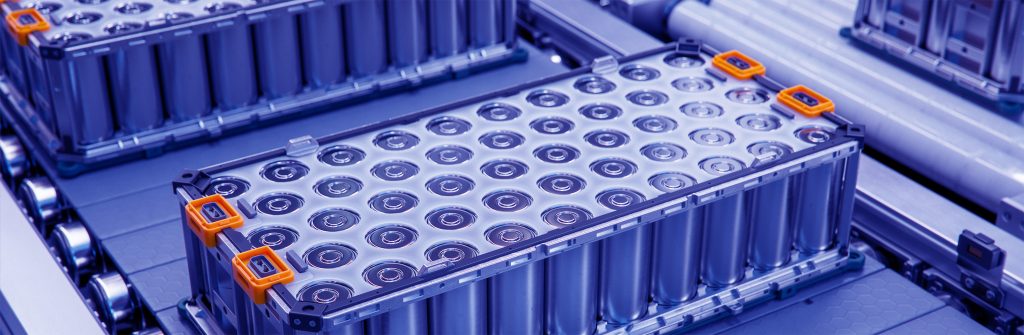
Urban air mobility is undergoing a profound transformation, and at its heart is the surge in battery technologies. As eVTOL aircraft pave the way for the future of air transport, diverse battery chemistries are shaping their capabilities.
Lithium-Ion Batteries: The Pioneers
Still the primary energy-storage solution for eVTOLs. Recent advances focus on energy density — more power in a smaller, lighter package for larger payloads and longer range — and fast charging that reduces downtime between flights.
Solid-State Batteries: The Next Frontier
Replacing the liquid electrolyte with a solid one improves safety, as cells are less prone to overheating and thermal runaway, and offers higher energy density for extended range.
Hybrid and Multi-Chemistry Systems
Combining battery types optimizes power-to-weight ratios and enables customizable, model-specific configurations.
Metal-Air Batteries
Zinc-air and aluminum-air chemistries use oxygen from the air as a reactant, enabling exceptional energy density for longer range without much added weight, and a reduced environmental footprint.
Graphene-Based Batteries
Graphene promises faster charging, higher energy density, and longer lifespan thanks to its conductivity and mechanical strength. From lithium-ion advances to emerging chemistries, the eVTOL trajectory is on an upward curve — improving performance, range, and sustainability.